

It is natural to be shocked and horrified when you see birds feeding plastic to their chicks. Plastic is demonised in the media and pilloried for its impact on the environment. Is this justified? Are other packaging materials more environmentally friendly?
There has been a massive drive by corporates to eliminate plastic from supply chains, but we should be very careful about reaching “simple” solutions to such a complex problem.
Plastic waste is definitely a problem; however practically all human activity uses the earth’s resources and has an environmental impact. Human behaviour is as much to blame as the product itself – why do humans throw away waste rather than disposing of it conscientiously? Why don’t we reuse and recycle much more? No-one seems to ask the question – why was it thrown in the ocean?
The common corporate reaction has been to switch from plastic to paper or cardboard. These well established products are safe, uncontentious and not harmful to anyone – right? Well, perhaps they are not the simple environmentally friendly solution they appear to be.
Let’s consider some common factors in the production and use of plastic versus paper.
Weight

The weight of packaging material directly impacts the amount of energy required to transport it to the retailer or end – user. Plastic packaging can be up to 80% lighter than cardboard alternatives, which results in a huge benefit in greenhouse gas emissions when scaled up to global levels.
Production processes

The overall energy required to produce a paper bag is around 400% – 500% more than that required for an equivalent plastic bag
In addition, paper production uses approximately 1500% more water than plastic
Finally, paper manufacturing generates 80% more greenhouse gas emissions than plastic
Space

Plastic packaging typically takes up much less space than paper and board – based packaging, so fewer trucks and containers are required to ship it around. Less warehousing space is required, typically up to 90% less. This results in less heating, less wasted energy loading and unloading products in fulfillment centres and warehouses.
Reduced Product Damage

Plastic packaging is one of the most effective methods for protecting items, both keeping products fresh for longer or reducing levels of damage during transit. That’s a significant reduction in wasteful replacements, returns and logistics, costs and delays.
Recycling

Recycling paper is very resource and energy intensive compared to plastic; it takes significantly less energy to recycle a kilo of plastic compared to paper. However UK rates of plastic recycling, at 38%, are significantly lower than paper recycling at 73%. There is still a way to go in improving the understanding of which types of plastic can be recycled. Investment in this area could reap massive rewards.
Re-Use

Plastic is more durable than paper so is more suitable for being reused multiple times. Plastic is much more robust than paper, it is water resistant and does not absorb water – which paper based products do, and that dramatically decreases their effectiveness.
Consumer Behaviour
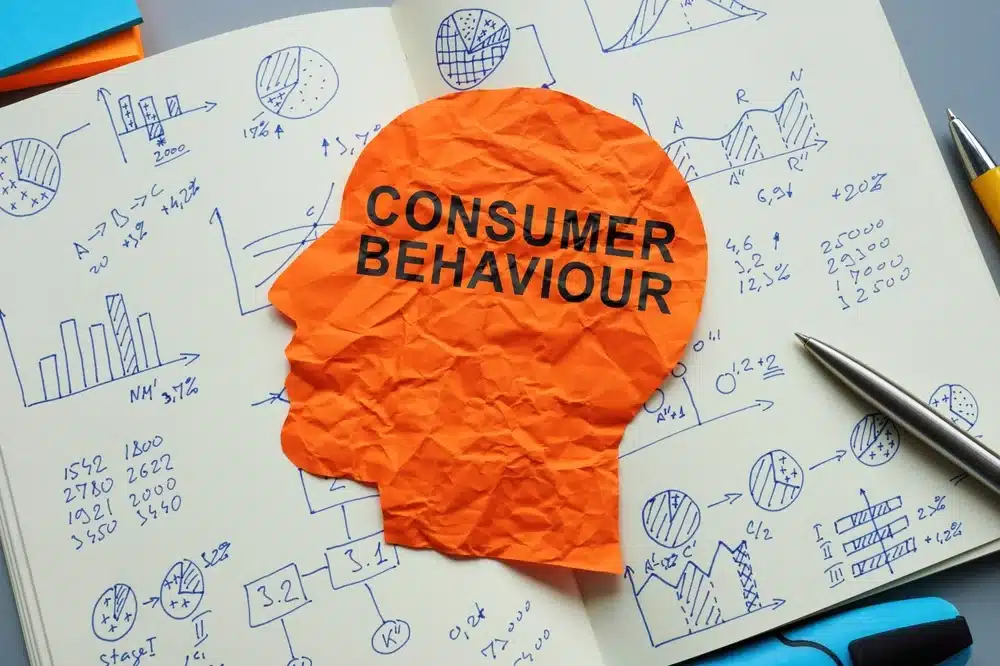
In summary, calculating what packaging options are best is far from simple; when combined with the vagaries of human behaviour it becomes even more complicated. To illustrate, think about the following conversation we had recently with a consumer recently, which went roughly as follows: –
Consumer – “I don’t want to use plastic – it’s so harmful and wasteful, I have made a conscious decision to avoid it and to switch to paper based alternatives”
BUBL – “Well, yes, I understand your concern but I don’t believe plastic is as bad as is currently being portrayed in social media and the press.”
Consumer – “Well let me give you an example; I bought some dresses on – line last week and when they arrived I had a mountain of plastic bags and sleeves which I had to re – use to return most of them. Once the company got them back they will have thrown them away because they were all ripped apart and re – taped by me. I had to chuck a lot of it in my own bin too”
BUBL – You said you returned most of them?
Consumer – “Well I bought the size that I think I am, the size bigger and the size smaller because you never know what will fit. Also I wasn’t sure about the colour so I bought them in both green and blue. So six in all. I kept one and returned the rest. It’s OK – the retailer refunds me for the ones I don’t keep”
This really brought home how complex an issue this is – the fact that this consumer had bought 6 items and only kept one didn’t even register with them as being wasteful. Five additional packaging kits, five extra pick – pack activities, five extra outbound transport legs, five extra return transport legs, five extra return material receipts, 5 repacks, credits refunds … you get the picture.
To be fair to the consumer this appears to be accepted behaviour and common place, yet no – one wants to face up to that challenge. Why? Because it’s difficult … much easier to complain about plastic, feel good about yourself and not think too much more about it.
References
https://www.swiftpak.co.uk/insights/plastic-vs-paper-packaging-the-pros-and-cons
https://www.swiftpak.co.uk/insights/plastic-vs-paper-packaging-the-pros-and-cons
https://www.theguardian.com/environment/2010/mar/31/plastics-cardboard